Kampong Lorong Buangkok: Singapore’s Last Mainland Kampong, Its Story and How to Visit
A pocket of zinc-roofed houses off Yio Chu Kang Road, bought in 1956 and still lived in. Here is the kampong’s history, where its future stands, and how to visit without intruding.
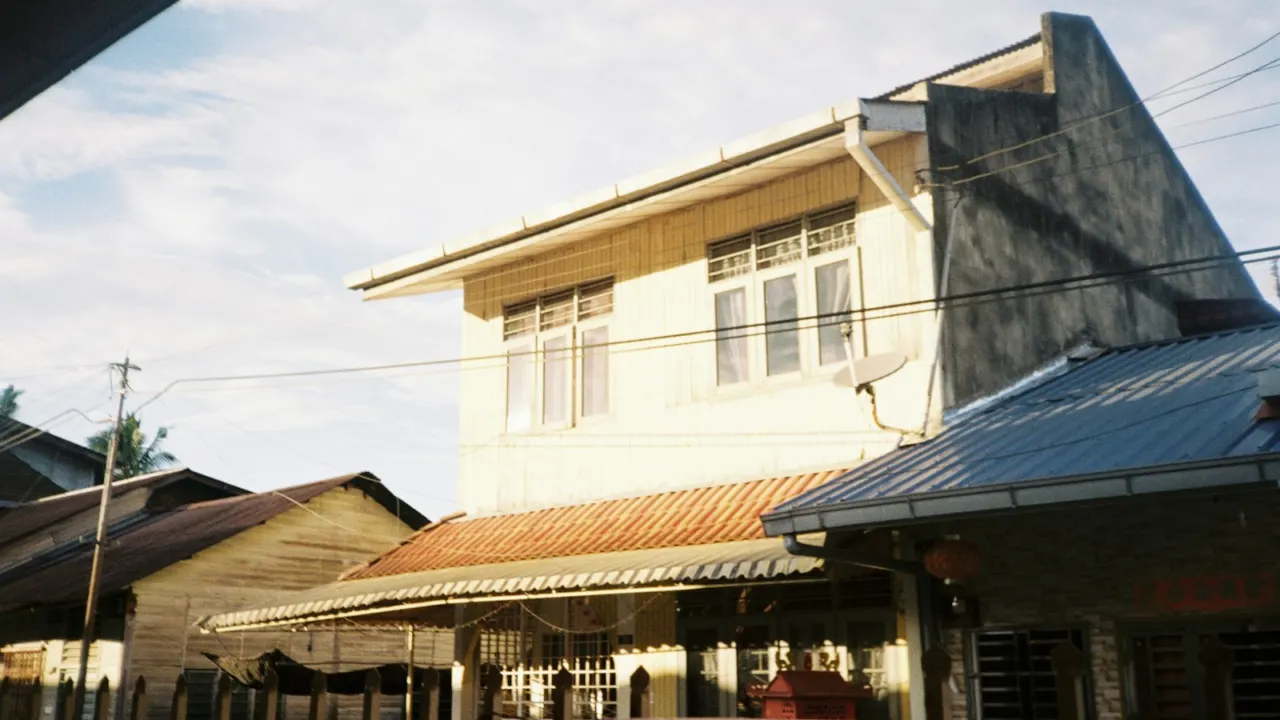
A short walk from the HDB blocks of Buangkok, the paths narrow, the concrete gives way to earth, and you are among wooden houses with zinc roofs, fruit trees and chickens. Kampong Lorong Buangkok is widely described as the last kampong on mainland Singapore, and it is still a working village where about 25 families live. This guide covers its history, where things stand in 2026, and how to visit respectfully. It is written for north-east residents, including buyers following LinkTown Residences (Hougang Central Residences), about 2 km away at Hougang MRT (NE14).
The kampong is private land and every house is someone’s home. Please read the etiquette section before you go.
How the village began
In 1956 a traditional Chinese medicine seller bought a swampy plot off Yio Chu Kang Road and began renting out land to families, who built their own houses on it. Chinese and Malay households settled side by side, and at its peak the kampong was home to about 40 families. Rents were kept low from the start, and they still are: CNA reported in November 2024 that residents pay between S$6.50 and S$30 a month.
The landowner died in 1996. His four children inherited the land, about 12,248 sq m, roughly the size of three football fields, and his youngest daughter, Madam Sng Mui Hong, stayed on in the village as its landlord. She has told reporters that her father wanted the land kept in the family, and that she and her siblings intend to honour that. A reported S$33 million offer for the land in 2007 came to nothing.
Surau Al-Firdaus
In the 1960s villagers pooled their efforts to build a surau, a small prayer house, for the kampong’s Malay families. According to the National Heritage Board’s Roots.sg, Surau Al-Firdaus was rebuilt in 1999, growing from space for about 80 worshippers to about 200, and it holds religious classes as well as prayers for residents and non-residents alike. Its green corrugated roof and wide windows follow the same practical logic as the homes around it.
Life in the kampong now
Houses stand in their own yards, linked by dirt and concrete paths, with gardens, bird cages and potted plants on the porches. Residents have mains power and water, and the high-rise estates of Buangkok and Sengkang are visible over the treetops. Numbers have thinned over the decades as older residents pass on and younger ones move to flats, and many of those who remain are older. The village has also become better known: CNA noted that tourists regularly come to look, and a video interview with Madam Sng went viral online in 2024. That attention is a reason to keep visits low-key.
What happens next
The kampong’s future comes up often. URA’s 2014 Master Plan marked the area for redevelopment, including two schools, housing and a major road. In 2017 Desmond Lee, then Second Minister for National Development, said this would likely happen only “several decades later”. The land remains with the Sng family.
The most recent reporting we could find, CNA’s November 2024 profile, describes the village as lived in and unchanged, and we are not aware of any acquisition or redevelopment announcement since. A Master Plan marking is a long-term land-use intention, not a demolition date. To see the current zoning yourself, use URA’s Master Plan map; our Hougang master plan page explains what is planned closer to Hougang Central.
Visiting respectfully
Students, photographers and families all visit, and residents are used to it. The rules are the ones you would want someone to follow in your own front garden.
- Stay on the paths. Do not step into yards, porches or doorways unless you are invited.
- Keep it small and quiet. Come in twos and threes, not tour-bus groups. No music, no drones.
- Ask before photographing people. The lanes and trees are fine; residents, their homes and their pets need permission.
- Touch nothing. Fruit, plants, bicycles and animals all belong to someone.
- Mind the surau. Be especially quiet near it at prayer times, including Friday afternoons.
- Go in daylight, and take your rubbish home with you.
Wear closed shoes with grip: the lanes turn muddy after rain. Long trousers and insect repellent help too, as the trees and drains draw mosquitoes. There are no shops or toilets inside the kampong, so plan food and facilities at the MRT end.
Getting there from Hougang Central
The kampong is off Yio Chu Kang Road near Gerald Drive, at the western end of Buangkok Green. There is no MRT station beside it.
- By MRT and on foot: take the North East Line one stop from Hougang (NE14) to Buangkok (NE15), roughly 2–3 minutes in the train. From there, walk west along Buangkok Green and the Buangkok Park Connector, which NParks says runs about 1.5 km from Sengkang East Road to the Yio Chu Kang Road end. Allow roughly 30–40 minutes door to door.
- By bus: NParks lists services 50, 70, 70M, 103 and 854 on Yio Chu Kang Road near the start of the park connector. Use a journey planner from your block.
- By car or taxi: there is no visitor parking in the kampong. Get dropped off on the main road and walk in; do not drive into the lanes.
Times are approximate. For longer walks and cycle routes that pass this way, see our north-east park connectors guide.
Make a morning of it
A visit takes under an hour. Pair it with breakfast or lunch at Buangkok Hawker Centre, next to Buangkok MRT, then continue along the park connectors towards Punggol Park’s lake. For older heritage closer to Hougang Central, our Hougang temples and churches guide covers the landmarks along Upper Serangoon Road, and our Buangkok neighbourhood guide explains the rest of the area, including its famous MRT station.
Why it matters to Hougang residents
For anyone living at Hougang Central, the kampong is one of the few places within easy reach where you can show children what much of Singapore looked like a lifetime ago. It is also a reminder that the north-east was farmland and villages well within living memory. Our list of things to do in Hougang has more weekend ideas nearby. The new town centre planned at Hougang Central Residences, with its mall, bus interchange and future Cross Island Line interchange, is the other end of that story, about 2 km away. The location page sets out the site and its links.
Prices, unit mix and the launch date for LinkTown Residences have not been released. Analysts estimate an average of about S$2,500–2,600 psf; these are estimates, not prices. The launch is expected in early 2027, and UOL’s August 2026 results guide a 2H 2027 launch.
Register to get LinkTown Residences prices, floor plans and preview dates as soon as they’re released.
Frequently asked questions
Can you visit Kampong Lorong Buangkok?
You can walk through quietly, but it is private land and every house is a home. Keep to the paths, do not enter yards or porches, keep voices down and ask before photographing anyone.
Who owns Kampong Lorong Buangkok?
The Sng family. The land was bought in 1956 by a traditional Chinese medicine seller, and after his death in 1996 it passed to his four children. His daughter, Madam Sng Mui Hong, lives in the kampong and acts as landlord, according to CNA.
Will Kampong Lorong Buangkok be demolished?
No date has been set. URA’s 2014 Master Plan showed the area for future schools, housing and a road, but in 2017 the then Second Minister for National Development said redevelopment would likely happen only “several decades later”. The family has said it does not intend to sell.
How do I get to Kampong Lorong Buangkok from Hougang?
Take the North East Line one stop from Hougang (NE14) to Buangkok (NE15), then walk west along Buangkok Green and the Buangkok Park Connector to Yio Chu Kang Road. Allow roughly 30–40 minutes door to door. Buses along Yio Chu Kang Road also stop near the park connector.
More around the north-east guides
All guides
Around the North-East
Pasar Malam Singapore: Night Markets in Hougang, Sengkang and Punggol and How to Find the Next One
How Singapore’s pasar malams work, the North-East sites they return to, the October 2026 Punggol Central market and where to check schedules.

Around the North-East
Secondary Schools in Punggol and Sengkang: The Full List, Nearest Stations and the Trip from Hougang
All secondary schools in Punggol and Sengkang from MOE’s directory, with addresses, nearest stations and travel from Hougang.
Around the North-East
Punggol Coast Mall: Shops, Food, Supermarket and Getting There from Hougang
Punggol Coast Mall in the Digital District: FairPrice Finest, Muji, Daiso, Harvey Norman, food, the hawker centre and the trip from Hougang.