Integrated Development Singapore: What It Means, Real Examples and How Hougang Central Compares
What an integrated development in Singapore actually is, how these projects come about, examples across the island, the trade-offs of living in one, and where the Hougang Central integrated development fits.
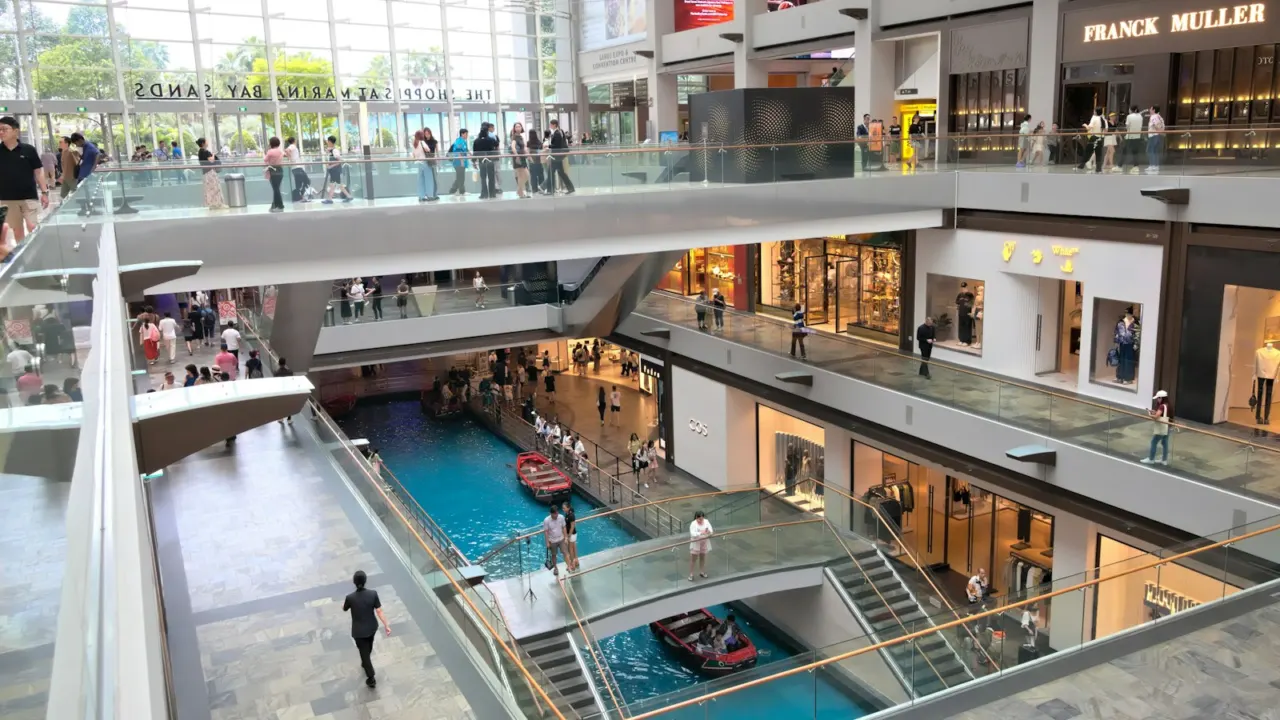
“Integrated development” is one of the most used phrases in Singapore new-launch marketing, and one of the most stretched. A condo five minutes from a mall is sometimes described that way; so is a tower that sits directly above an MRT station and a bus interchange. This guide sets out what the term should mean, why these projects exist, examples you can visit, the honest trade-offs, and how the Hougang Central integrated development, home to LinkTown Residences (Hougang Central Residences), measures up.
A working definition
There is no single definition that marketers must follow, so it helps to have your own test. A project is genuinely integrated when the homes share a site with at least two of the following, and are physically connected to them:
- Transport: an MRT station, a bus interchange or both.
- Retail: a mall or commercial podium with everyday needs.
- Civic facilities: a community club, hawker centre, library, polyclinic or public plaza.
The key word is connected. If you have to cross a road or walk in the open to reach the station, the project may be convenient, but it is not integrated in the sense buyers usually pay a premium for.
How integrated sites come about
Most integrated condos start as mixed-use sites in the Government Land Sales programme. Planners place them at town centres or transport nodes, where a station or interchange already exists or is being built. The tender conditions often require the winner to build or rebuild public elements, such as a bus interchange, a plaza or links to the station, alongside the homes and shops.
Two consequences follow. First, the sites are large and complex, so bidders tend to be big developers, often teamed up with a mall owner. Second, each town has only one or two such nodes, so an integrated site in a given town may not come up again for many years. In Hougang, the Central site was the first major mixed-use GLS parcel in over a decade. Our Hougang Central GLS guide covers that tender.
Examples of integrated developments in Singapore
Examples include the projects below. The list is not exhaustive, and we describe their components only in general terms.
| Project | Area | What it connects to |
|---|---|---|
| Watertown | Punggol | Waterway Point mall and Punggol MRT |
| Bedok Residences | Bedok | Bedok Mall, Bedok MRT and the bus interchange |
| Northpark Residences | Yishun | Northpoint City, Yishun MRT and bus interchange |
| Hillion Residences | Bukit Panjang | Hillion Mall and Bukit Panjang MRT/LRT |
| J Gateway | Jurong East | Jurong East transport hub and nearby malls |
| The Woodleigh Residences | Bidadari | The Woodleigh Mall and Woodleigh MRT |
| Pasir Ris 8 | Pasir Ris | Pasir Ris Mall and Pasir Ris MRT |
| Sengkang Grand Residences | Sengkang | Sengkang Grand Mall, bus interchange, community club and hawker centre |
| Lentor Modern | Lentor | Lentor MRT and retail space |
| Parktown Residence | Tampines North | Mall, bus interchange, community club, hawker centre and a future CRL station |
For a buyer-focused run-through of these projects, see our integrated condos in Singapore guide.
Living in one: the trade-offs
Everyday life
The upside is time. Groceries, clinics, dinner and your commute are a lift ride away, and the walk is sheltered from rain and heat. For households with young children or older parents, that can matter more than an extra bedroom. The downside is that you share your front door with the public. Weekends bring shoppers, peak hours bring commuters, and lower floors facing a plaza or bus bays can be noisy. Stack choice does a lot of work here; our guide to choosing a stack explains what to look for.
Money
Integrated projects usually launch at a premium to nearby condos, because the convenience is hard to copy. That premium is paid upfront, so the question is whether you value the convenience enough over years of living there. Maintenance costs can also differ: shared areas between the homes and the commercial part are divided under the development’s strata arrangements. Fees are set per unit by share value, so ask how the split works before you buy.
Design
Because the ground level is taken up by retail and transport, residents’ facilities often sit on a deck above the podium rather than at ground level. Good designs separate residents’ lobbies and drop-offs from mall and bus traffic; weaker ones blur them.
At any integrated showflat, ask three things: how many minutes from your lift lobby to the MRT gantry, whether the route passes through the mall, and which stacks face the bus bays or loading areas.
How the Hougang Central integrated development compares
By the test above, Hougang Central is integrated on all three counts:
- Transport: a direct link to Hougang MRT (NE14) on the North East Line, a future Cross Island Line interchange (LTA targets Phase 1 for 2030), plus a new Hougang bus interchange on the site. Our bus interchange guide covers today’s services.
- Retail: a mall of about 300,000 sq ft net lettable area, developed and fully owned by CICT, set to be the largest in Hougang. More in our Hougang Central mall guide.
- Civic: a town plaza with sheltered public event space, with Punggol Community Club and Hougang Sports Centre nearby.
The homes, about 830 of them, are developed by CapitaLand Development, UOL and Kheng Leong. UOL and CapitaLand Development were also partners in Parktown Residence, which appears in the examples table above.
To be announced: how the residential blocks connect to the MRT, mall and bus interchange, which stacks face the plaza or bus bays, how residents’ drop-offs are separated, and how shared costs are split. These will show up in the site plan and sales documents. The launch is expected in early 2027, and UOL’s August 2026 results guide a 2H 2027 launch.
For a one-page summary of what is confirmed so far, see Hougang Central Residences project details.
Register to get the LinkTown Residences site plan and connection details as soon as they’re released.
Frequently asked questions
What is an integrated development in Singapore?
It is a project that puts private homes on the same site as public transport, retail and sometimes civic facilities, with direct connections between them. Typically that means a condo above or beside a mall linked to an MRT station or bus interchange.
Is there a legal definition of an integrated development?
No single definition is used in marketing. A useful test is whether the homes are physically connected, usually under cover, to transport and a mall on the same site, rather than simply being nearby.
What are some examples of integrated condos in Singapore?
Examples include Watertown (Waterway Point), Bedok Residences (Bedok Mall), Northpark Residences (Northpoint City), Hillion Residences (Hillion Mall), The Woodleigh Residences, Pasir Ris 8, Sengkang Grand Residences and Parktown Residence. This is not an exhaustive list.
Is LinkTown Residences an integrated development?
Yes. LinkTown Residences (Hougang Central Residences) shares its site with a mall of about 300,000 sq ft, a new bus interchange and a town plaza, and is directly linked to Hougang MRT (NE14).
More the project guides
All guides
The project
Hougang Central Residences PSF: A Price Estimate for LinkTown Residences by Unit Type
From land rate to psf to quantum: an illustrative price estimate for each indicative LinkTown Residences unit type.

The project
LinkTown Residences for Families: Schools, Space and Daily Life at Hougang Central
Schools, family-sized layouts, the integrated hub and P1 timing: how LinkTown Residences fits family life.
The project
Hougang Central Mall: What CICT Is Building Next to LinkTown Residences
The planned Hougang Central mall: size, owner, cost, completion and what is still to be announced.